
/ CONDITIONS / CAPSULITIS
Capsulitis
Inflammation of the joint capsule at the base of the toe — most commonly the second — that produces forefoot pain, swelling, and instability. Left untreated, capsulitis can progress to plantar plate tear. Early evaluation produces significantly better outcomes.
Andrew Gunter, DPM — San Antonio, TX.
Call (210) 581-9800
What Is Capsulitis and Why Does It Matter?
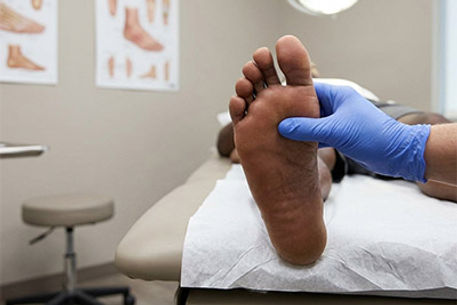
Capsulitis is inflammation of the joint capsule — the sleeve of connective tissue that surrounds and stabilizes a metatarsophalangeal joint. It most commonly affects the second MTP joint, at the base of the second toe, though it can occur at any of the lesser toe joints. The condition produces pain, swelling, and tenderness at the affected joint — typically on the plantar surface of the ball of the foot — along with a progressive sense of instability or looseness in the toe.
The second MTP joint is uniquely predisposed to capsulitis for biomechanical reasons. Patients with a relatively long second metatarsal bear disproportionate forefoot pressure at the second MTP with every step. Patients with hallux valgus — a bunion — experience lateral force transfer from the first ray to the second toe, overloading the second MTP joint capsule over time. Patients with tight calf muscles, high heels, or other conditions that concentrate forefoot loading also place the second MTP under chronic stress. The result is a cycle of repetitive microtrauma to the joint capsule that produces the characteristic pain and swelling of capsulitis.
Capsulitis is frequently misdiagnosed — it is commonly mistaken for a neuroma, metatarsalgia, or simply 'ball of foot pain' without identification of the specific joint involvement. The distinction matters because capsulitis requires specific treatment targeting the affected joint and the biomechanical contributors driving the overload. Treating it as generic metatarsalgia produces incomplete results.
The most important clinical fact about capsulitis is its relationship to the plantar plate — the dense fibrocartilaginous ligament on the plantar surface of the MTP joint that prevents the toe from dorsiflexing abnormally and stabilizes the toe in its correct alignment. Capsulitis and the plantar plate share the same anatomical territory, and chronic capsular inflammation progressively weakens the plantar plate. If the inflammatory process is not arrested — through appropriate treatment of both the acute inflammation and the underlying biomechanical contributors — the plantar plate can partially or completely tear. A plantar plate tear is a structural injury that does not respond to the same conservative measures that manage capsulitis effectively at the inflammatory stage.
The clinical signs of plantar plate involvement developing within a capsulitis presentation are the toe beginning to drift upward, a positive Lachman test of the affected MTP joint, increasing instability, and the characteristic crossover deformity — the second toe drifting laterally and crossing over the big toe — in advanced cases. These signs indicate that the window for purely conservative management is closing.
Dr. Gunter evaluates capsulitis with careful attention to the plantar plate — assessing stability clinically and with imaging when indicated — to determine whether the condition is still in the inflammatory stage or whether plantar plate involvement has developed, as this significantly influences the management approach.
COMMON SYMPTOMS
-
Pain on the ball of the foot at the base of the second toe
-
Swelling around the affected MTP joint
-
Tenderness when pressing on the plantar joint surface
-
A feeling that the toe is loose or unstable
-
Pain worse with barefoot walking and push-off
-
The affected toe beginning to drift upward or sideways
-
Sensation of walking on a marble or bunched sock (when plantar plate involvement develops)
CAPSULITIS IS MORE COMMON WITH:
-
A relatively long second metatarsal
-
Hallux valgus (bunion) transferring load to the second ray
-
Flat feet or hypermobile midfoot mechanics
-
Tight calf muscles or Achilles complex
-
Regular high-heeled footwear
-
High-impact athletic activity with forefoot loading
-
Prior capsulitis or MTP joint inflammation (recurrence risk)
From Capsulitis to Plantar Plate Tear — Why Early Treatment Matters
Capsulitis and plantar plate tear are not separate conditions — they are two stages of the same progressive process. Where a patient falls on this spectrum determines both the available treatment options and the likely outcome.
Stage 1 — Capsulitis
Inflammatory
The joint capsule is inflamed and painful but the plantar plate remains structurally intact. The toe is sore and swollen but stable. Pain with forefoot loading, tenderness at the MTP joint, no significant toe drift.
Treatment window: Conservative management — orthotics, activity modification, anti-inflammatory measures, and biomechanical correction — is most effective at this stage and can fully resolve the condition.
Stage 2 — Plantar Plate Involvement
Structural
Chronic inflammation has weakened or partially torn the plantar plate. The toe begins to drift upward or laterally. Positive Lachman test on examination. Progressive instability with risk of complete plantar plate tear and fixed crossover deformity.
Treatment window: Conservative measures can still manage symptoms and slow progression but cannot restore a torn plantar plate. Surgical repair may be needed for complete tears with significant deformity.
The most important takeaway
Capsulitis at Stage 1 — painful but structurally intact — responds well to conservative treatment and can resolve completely. Once plantar plate involvement develops at Stage 2, the structural damage cannot be reversed conservatively. Early evaluation is the most important factor in preserving the full range of treatment options and preventing progressive toe deformity.
Treatment Options for Capsulitis
Treatment depends on the stage of the condition — whether the plantar plate remains intact or whether structural involvement has developed. Dr. Gunter evaluates both the degree of inflammation and the plantar plate integrity before recommending a management approach.
Custom orthotics & metatarsal offloading
The most effective conservative intervention for capsulitis. Custom orthotics redistribute forefoot pressure away from the affected MTP joint, reduce the repetitive microtrauma driving capsular inflammation, and address the underlying biomechanical contributors — long second metatarsal, hypermobile midfoot, bunion mechanics. Dr. Gunter fabricates orthotics in-office with a one-week turnaround.
Activity modification & footwear guidance
Reducing the forefoot loading that is driving capsular inflammation allows the acute inflammatory process to settle. High-heeled footwear, barefoot walking on hard surfaces, and high-impact forefoot-loading activity should be modified during the acute phase. Dr. Gunter advises on specific modifications matched to the patient's lifestyle and activity demands.
Injection therapy
A precisely placed corticosteroid injection into the affected MTP joint reduces acute capsular inflammation and provides meaningful pain relief, facilitating the rehabilitation and biomechanical correction that addresses the underlying cause. Injection therapy is most appropriate for acute or moderately severe capsulitis — Dr. Gunter evaluates the stage of the condition before recommending injection.
Surgical plantar plate repair
For complete plantar plate tears with significant toe instability and progressive deformity — particularly crossover toe — that have not responded to conservative management, surgical plantar plate repair restores structural stability and corrects the deformity. Dr. Gunter discusses surgical options when they represent the genuinely appropriate next step for the specific degree of structural involvement.
Related conditions: Ball of foot pain & metatarsalgia · Turf toe & plantar plate injuries · Hammertoes · Custom orthotics
Why Patients Choose Dr. Gunter
✓
5,000+ Patients
Helped
✓
Same-Day
Appointments
Available
★
5.0 Average
Google Rating
✓
100% Focused
on Foot & Ankle
Frequently Asked Questions — Capsulitis
Pain and swelling at the base of the second toe?
The earlier it is evaluated, the better the options.
Capsulitis responds well to conservative treatment when addressed before plantar plate involvement develops. Dr. Andrew Gunter, DPM evaluates MTP joint inflammation carefully — assessing plantar plate integrity, identifying the biomechanical contributors, and recommending treatment matched to the specific stage of the condition. Serving San Antonio and surrounding communities. Same-day appointments available. Most insurance plans accepted.
Call (210) 581-9800